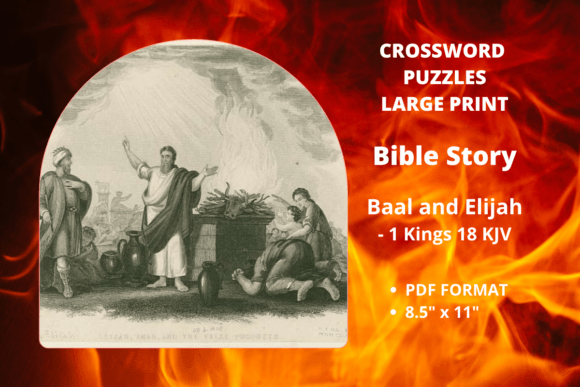
Bible Story 1 Kings 18-Crossword Puzzles
When I first opened the embroidery file for Bible Story 1 Kings 18-Crossword Puzzles, I admit I was curious how a crossword puzzle would translate into thread. Crosswords are inherently text-heavy and grid-based, which can go wrong fast in machine embroidery if the design isn't built for real fabric. After stitching it out on several projects, I have a clear picture of where this design shines and where it needs a careful hand. This review comes from actual shop use, not just a digital preview.
A Design That Feels Studied and Approachable
The first thing that struck me about Bible Story 1 Kings 18-Crossword Puzzles is its layout. It carries the feel of a printed puzzle page but adapted for thread. The grid structure is clear without feeling rigid, and the lettering sits at a size that reads well on most medium to large projects. The mood is reflective, thoughtful, and quietly educational. It doesn't shout. It invites the viewer to lean in and engage. That makes it a natural fit for personalized gifts aimed at Bible study groups, Sunday school teachers, or anyone who appreciates faith-based learning in a handmade form.
The design feels complete on its own but also works as part of a larger composition. I can see it paired with a simple border or placed on a notebook cover, a Bible tote, or a classroom pillow. The visual personality is clean, purposeful, and a little nostalgic, like something you would find in a well-loved puzzle book. It avoids being overly decorative, which is actually a strength for embroidery. Too many flourishes can muddy the message. Here, the message stays front and center.
Real Projects Where This Design Delivers
I tested Bible Story 1 Kings 18-Crossword Puzzles on a medium-weight cotton tote bag first. That project felt right from the start. Tote bags are forgiving, and the design sat well on the front panel without needing to shrink it down. The letters stayed crisp, and the grid lines held their shape through the stitching. I used a mid-weight cutaway stabilizer, which I recommend for this design on any bag or apparel item. The stitch density is moderate, not too tight, so the fabric didn't pucker.
Next I moved to a cotton-poly sweatshirt. This is where the design really showed its versatility. On a solid heather gray background, the puzzle motif looked clean and intentional. It landed well on the left chest area, though I would not recommend placing it on a curved surface like a cap sleeve or raglan seam. The grid needs a flat area to read properly. On a full front placement, it becomes a conversation piece. I imagine a customer wearing this to a church event or small group study and having people actually stop to read the clues. That is the kind of engagement that builds word-of-mouth for a small shop.
I also stitched it onto a linen tea towel as a gift item. The design worked there too, though I recommend using a water-soluble stabilizer on top to keep the grid from sinking into the weave. Linen has more texture than cotton, and the top stabilizer helped the satin stitches stay clean. For an embroidered patch, this design would need to be hooped with care. The grid lines require even tension, and a patch backing would add stability. I would only attempt a patch version if the hoop size is large enough to fit the full puzzle without distortion.
Where to Approach With Caution
Not every product is right for Bible Story 1 Kings 18-Crossword Puzzles. Small hoop sizes under four inches will crowd the letters and make the puzzle hard to read. I tested it in a 4x4 hoop and had to reduce the size, which made the grid lines thinner and the lettering less legible. If you work in small formats regularly, this design is better suited to a 5x7 hoop or larger. The extra space lets the puzzle breathe.
Stretchy fabrics like jersey knit or performance wear are risky. The grid structure can distort if the fabric shifts during stitching. I would only use this design on stable knits with a firm stabilizer and a sticky hoop. Dark fabrics also need attention. The design uses thread colors that assume contrast. If you stitch it on black or navy, choose a lighter thread for the grid and letters, and test a small section first. The same applies to textured fabrics like fleece or bouclé. The stitches can sink into the texture and lose definition.
For items that need frequent washing, like kitchen towels or baby blankets, the design holds up well if you use quality stabilizer and keep the stitch density moderate. The design does not rely on long satin stitches that might snag, which is a practical advantage. But I would avoid placing it on curved surfaces like baseball caps or the curved brim of a bonnet. The grid does not bend gracefully.
How It Affects Product Value and Customer Trust
A design like Bible Story 1 Kings 18-Crossword Puzzles does something important for a handmade product: it makes the item feel intentional. When a customer sees a crossword puzzle stitched onto a tote or a sweatshirt, they recognize the thought behind it. That recognition translates into perceived value. A well-stitched puzzle design feels like a premium gift, not a quick print. For Etsy sellers and small shop owners, that difference matters. Buyers are more likely to leave positive reviews and share photos when the design looks crisp and the idea is clear.
I also appreciate that this design supports a faith-based niche without being overly sentimental. It appeals to customers who want something meaningful but not cliché. That balance is hard to find in machine embroidery design catalogs. Many Bible-themed designs lean heavily on crosses or floral scripture verses. This one offers a different angle, literally a puzzle, which invites interaction. A customer who buys a finished product with this design is likely to pause and try to solve a clue. That moment of connection builds brand loyalty for a small shop.
Practical Notes Before You Stitch
Before you commit to a production run, test Bible Story 1 Kings 18-Crossword Puzzles on scrap fabric that matches your final product. Check the thread color contrast in natural light and under shop lighting. The puzzle grid needs clear separation from the background. I ran a quick black and white mockup of the design before stitching, which helped me see which areas might blend together. That simple step saved me from wasting material.
Review the stitch density and hoop size requirements before buying the embroidery file. If the product page does not list exact specifications, contact the seller or test a small sample. Use a fresh needle suited to your fabric type, and choose a stabilizer that matches the project weight. For most applications, a tearaway or cutaway stabilizer works well, but I lean toward cutaway for items that will be washed or worn repeatedly. The design does not have excessive density, but the grid lines need a stable base.
If you plan to sell finished products using this design, confirm the licensing terms with the designer. Some digital embroidery file sellers restrict commercial use or require a separate license. This is especially important if you are listing the finished item on Etsy or selling at craft fairs. I always keep a copy of the license file with my project notes. It protects both my business and the designer's rights.
Final Thoughts From the Hoop
The Bible Story 1 Kings 18-Crossword Puzzles design from Kdp Interiors earns a practical recommendation from me for medium to large flat-surface projects. It is thoughtful, readable, and versatile enough for custom apparel, personalized gifts, and small shop merchandise. It is not a one-size-fits-all design, but when used with the right fabric, hoop size, and stabilizer, it produces a finished product that feels professional and engaging. For designers and makers who serve a faith-based audience, this is a strong addition to your digital embroidery file library.