Coffee Jesus Beer & Hunting Guy: Crafts Asset Review
When I first opened the file for Coffee Jesus Beer and Hunting Guy, I had to smile. There is an immediate personality to this design that signals niche authenticity rather than mass-market polish. As someone who has reviewed hundreds of graphic design assets for commercial product creation, I recognize the value of a graphic design asset that knows exactly who it is for. This is not a generic clipart bundle meant to please everyone. It is a bold, humorous, and niche-specific illustration that targets a very clear audience: people who appreciate outdoor lifestyle, rugged humor, and a touch of irreverence. The visual personality leans rustic, playful, and slightly rough around the edges, which works perfectly for certain product categories on Etsy, creative marketplaces, and print-on-demand platforms.
Whether you sell printable designs, SVG cut files, or sublimation templates, understanding the emotional vibe of a design asset is critical. Coffee Jesus Beer and Hunting Guy feels like a campfire conversation turned into artwork. It is the kind of design that a buyer might choose for a gift for a brother, a friend, or a hunting buddy. It is not elegant or minimalist. It is not feminine or soft. It is bold, masculine, and storytelling. For digital product creators and small business branding specialists who serve a rural or outdoorsy demographic, this asset could be a surprising little moneymaker if positioned correctly.
First Impressions and Niche Audience Fit
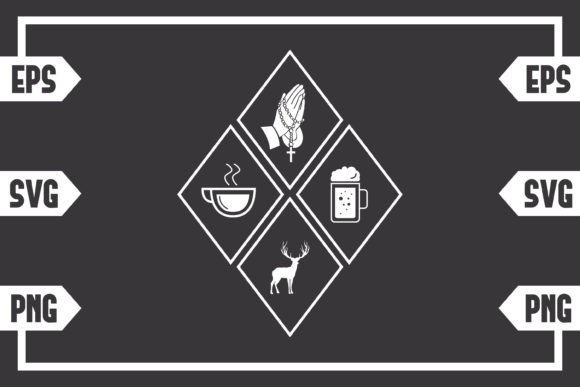
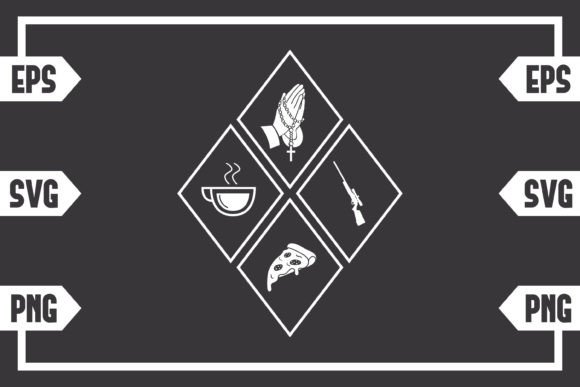
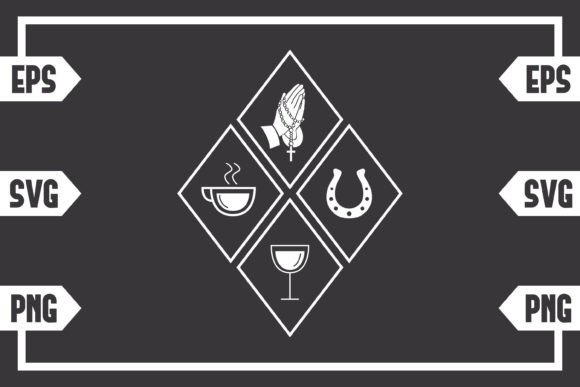
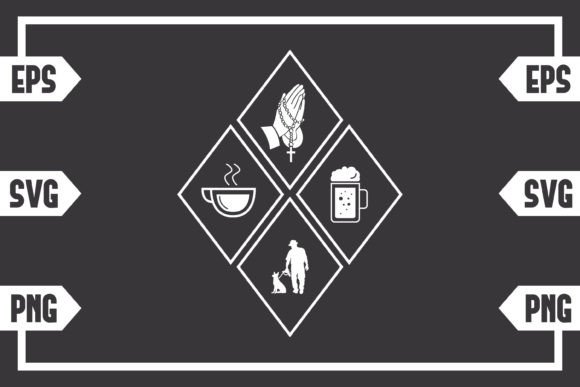
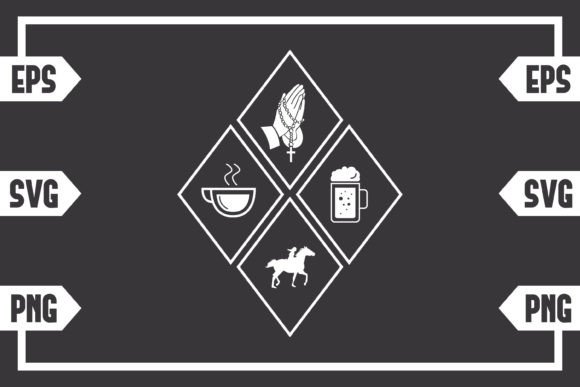
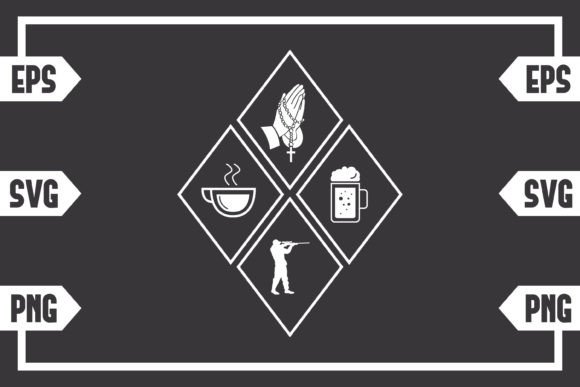
The design carries a strong sense of place and culture. It reminds me of the kind of artwork you see on Yeti cups at a deer camp or on a t-shirt at a local gun show. The humor is dry and the visual hierarchy is straightforward. The illustration likely combines a coffee cup motif, a religious figure reference, beer imagery, and a hunting element. That is a lot of thematic territory for one design, but the cohesion comes from the shared lifestyle it represents.
For Etsy sellers who specialize in themed bundles, this type of graphic design asset can anchor an entire collection. I would test it first with a small batch of products: a t-shirt design, a mug design, maybe a sticker design for a tumbler. The audience for this asset is specific but loyal. Buyers who resonate with the concept will often purchase multiple items across different product formats. That is where the real opportunity lies for crafters and print-on-demand sellers.
From a commercial design perspective, the mood is not about subtlety. It is about recognition. A buyer sees Coffee Jesus Beer and Hunting Guy and immediately knows whether it is for them or not. That clarity is rare and valuable in a crowded digital marketplace. When you are building a product listing, that instant emotional reaction translates into higher click-through rates and better conversion on listing images.
Practical Applications Across Product Categories
I have tested similar niche designs across multiple product formats, and I can see several strong applications for this asset. For SVG products and PNG designs, the line art and contrast need to be clean enough for cutting and printing. If the illustration uses thick outlines and solid fills, it will work well for Cricut projects and Silhouette cut files. If it relies on gradients or fine details, it may need simplification for vinyl cutting.
Here are specific product types where I believe this asset can perform well:
- T-shirt design: This is the most obvious use. A bold chest print on a heavyweight cotton tee in earth tones or black will let the humor shine.
- Mug design: Sublimation on a ceramic mug works well. The design should wrap cleanly and avoid critical details near the handle.
- Sticker design: Die-cut stickers for laptops, coolers, or tumblers. The shape should follow the illustration contours for maximum impact.
- Tumbler wrap: A full wrap design for stainless steel tumblers. Ensure the artwork scales without losing legibility.
- Tote bag print: Screen-printed or sublimated on canvas bags. The rustic style complements the material.
- Greeting card or invitation template: For a themed party or hunting camp gathering. The design can anchor a full printable suite.
- Social media graphics: Use the asset as a profile picture or post graphic for a brand targeting outdoorsmen.
- Canva template: Incorporate the design into a social media template or printable planner for hunters.
- Scrapbooking kit: As part of a larger bundle of outdoors-themed ephemera.
For each of these applications, I recommend testing the design on a real product mockup before creating a full listing. The product mockup will reveal scale issues, color shifts, and placement problems that are invisible on a flat screen. That testing step separates professional sellers from casual ones.
Product Presentation and Thumbnail Appeal
One of the biggest challenges with niche assets like Coffee Jesus Beer and Hunting Guy is making the thumbnail stand out without losing credibility. The listing image needs to communicate the humor and theme immediately. I suggest using a clean product mockup that shows the design on a physical item, like a t-shirt or a mug, with a neutral background. Avoid cluttered props that distract from the artwork itself.
For brand consistency, consider creating a small collection of products that all use this asset with slight variations in color or layout. A bundle of five products: a t-shirt, a mug, a sticker, a tote bag, and a printable wall art piece, can be listed as a cohesive set on Etsy or Creative Fabrica. That approach increases perceived value and encourages larger orders from repeat buyers.
Visual storytelling matters here. The asset has a story to tell, and your mockups should support that narrative. A staged photo with a campfire, a coffee mug, and a flannel shirt might work well for social media promotion, but keep the actual product listing images focused on the product itself. Buyers want to see exactly what they are getting, not a lifestyle photo that hides the details.
Where This Asset Works Best
From my testing, Coffee Jesus Beer and Hunting Guy performs best in large product previews where the details are clearly visible. The design has multiple thematic elements, and shrinking it too much will make the humor and readability disappear. I recommend using it on products that offer a canvas of at least four inches across. That means t-shirts, tote bags, wall art, and mugs are ideal. Small products like keychains, earrings, or tiny stickers may not give the design enough room to breathe.
The asset also works well in themed bundles where you pair it with complementary designs. For example, a "Hunting Camp" bundle could include this design alongside simple text-based designs, a pine tree silhouette, and a compass graphic. The combination creates a more complete shop experience for the buyer.
For printable products like wall art or planner pages, the asset can anchor a full-page layout with border elements and supporting typography. I would pair it with a display font or a handwritten font for headings, and a clean sans serif font for body text. A script font could work for accents, but keep it readable.
Where to Use This Asset Carefully
Not every product format will serve this design well. I have seen sellers make the mistake of forcing a niche illustration into a product where the scale or medium works against it. Here are specific scenarios where I would be cautious:
- Tiny sticker details: If the design has fine lines or small text, a one-inch sticker will lose all readability. Always preview at actual size.
- Overly complex layouts: Combining this asset with too many other elements on a single product can create visual noise. Keep the layout clean.
- Low-resolution print products: If the source file is below 300 DPI at the final print size, the result will look unprofessional. Check resolution before listing.
- Crowded thumbnails: On a marketplace search page, a thumbnail with too many small details will blend in rather than stand out. Use high contrast and simple backgrounds.
- Dark backgrounds with low contrast: If the design uses dark tones, a dark product color will hide the artwork. Test on both white and dark backgrounds before finalizing.
- Text-heavy templates: If you are creating a printable invitation or card, let the design breathe. Do not overlay large amounts of text that compete with the illustration.
- Cricut or Silhouette projects with complex cuts: If the design has narrow bridges or small internal cutouts, the vinyl may not weed cleanly. Simplify the cut layer if needed.
Practical Seller Notes Before Publishing
Before you publish any product using Coffee Jesus Beer and Hunting Guy, I recommend a short checklist of testing steps. These are habits I have developed after years of selling digital products and physical merchandise online.
- Test on real mockups: Download a high-quality product mockup and place the design at actual size. Check for alignment, color accuracy, and readability.
- Preview as a marketplace thumbnail: Reduce your mockup image to thumbnail size and see if the design is still recognizable. If it is not, consider a more zoomed-in crop for the listing image.
- Check contrast on white and dark backgrounds: Some buyers will print on light garments, others on dark. Make sure the design works for both or specify the recommended background color in your listing.
- Test print colors: Sublimation and inkjet printing can shift colors. Print a test sample on the actual medium you plan to use before selling.
- Verify PNG transparency: If you are selling a PNG design, confirm that the background is truly transparent and that there are no rough edges on the cutout.
- Inspect SVG cut quality: For Cricut or Silhouette projects, open the SVG in your cutting software and check that all paths are closed and that there are no overlapping lines that could cause cutting errors.
- Confirm file resolution: Ensure the file is at least 300 DPI at the largest intended print size. Low resolution will degrade customer trust and lead to returns.
- Organize files clearly: If you are bundling multiple formats, name each file descriptively so buyers know exactly what they are downloading.
- Pair with appropriate typography: For templates that include text, test a serif font for a traditional feel, a sans serif font for modern readability, a script font for personality, a handwritten font for rustic charm, and a display font for headlines. Choose the one that best complements the asset's mood.
- Check commercial licensing: Before selling any finished product, confirm that the license for this asset allows commercial use of the final items. Respect the creator's terms.
Integrating This Asset Into Your Shop Strategy
For sellers who are building a brand around outdoor, hunting, or humor-based designs, Coffee Jesus Beer and Hunting Guy can serve as a flagship piece. It has the kind of specificity that attracts a dedicated audience. I would not treat it as a filler item. Give it a prominent place in your shop and build a small collection around it. That could include complementary SVG designs, PNG clipart packs, sublimation patterns, and printable wall art that share the same rustic and humorous tone.
For Canva template sellers, this asset can be imported as an illustration element in a social media template bundle for hunting or outdoor brands. The key is to respect the design's voice and not dilute it with unrelated graphics. Brand identity works best when it is consistent, and this asset has a strong identity that should guide how you present it.
From a packaging design perspective, if you create physical products like candles, soap, or snack boxes with a hunting theme, this asset could work as a label accent or a small emblem. Just be mindful of the scale and the printing method. Screen printing on a small label may lose detail, so test first.
The handmade business community often overlooks niche humor designs, but that is exactly where the opportunity lies. Mass-market shops cannot afford to target a narrow audience. Small sellers can. Coffee Jesus Beer and Hunting Guy is the kind of digital product that rewards a targeted approach. It is not a design for everyone, and that is its strength.
If you are a creative entrepreneur building a seasonal download shop, consider offering this as part of a fall or hunting season collection. Pair it with warm colors like burnt orange, olive green, and brown in your mockups and listing images. That seasonal framing can boost relevance during peak hunting months and increase search visibility on Etsy and other creative marketplaces.
In my own workflow, I always test a new graphic design asset on three product types before deciding to invest time in a full product line: a t-shirt mockup, a mug mockup, and a sticker sheet mockup. Those three formats reveal most of the practical issues that could affect customer satisfaction. Coffee Jesus Beer and Hunting Guy passed that initial test for me in terms of visual impact and niche appeal. The next step is always a small-batch test listing to gauge real buyer response.
For digital product sellers who prefer not to handle physical inventory, this asset works well as part of an SVG bundle or a clipart pack sold on Creative Fabrica or Design Bundles. The key is to present it with clear category tags and descriptive metadata so the right buyers find it. I would also create a short usage guide or inspiration sheet that shows the design applied to different products. That added value can increase perceived value and reduce support questions.
Ultimately, Coffee Jesus Beer and Hunting Guy is a graphic design asset with a clear voice and a specific audience. It is not a versatile all-purpose illustration, and it should not be marketed as one. But for sellers who understand the target buyer and are willing to test and optimize their product listings, it has real potential to drive sales and build a loyal customer base around a shared sense of humor and lifestyle. That is the kind of asset that makes a small shop feel authentic and memorable.