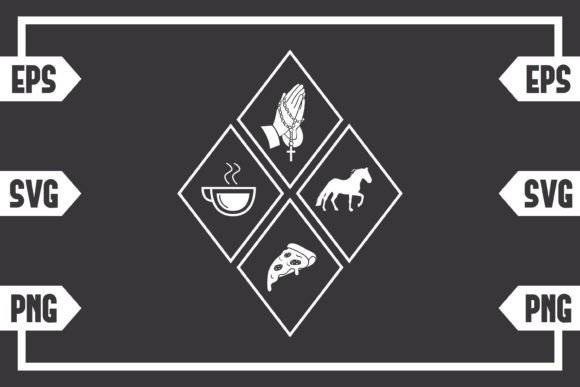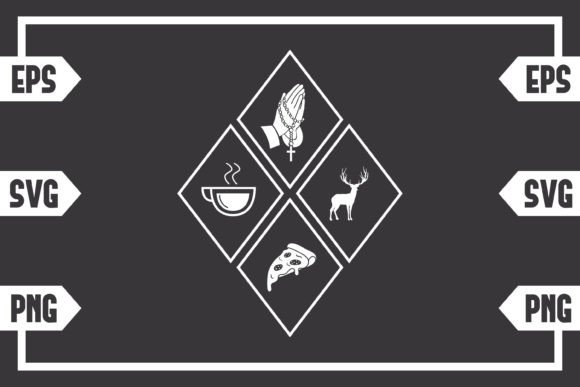
Coffee Jesus Pizza and Hunting Deer
When I first opened the Coffee Jesus Pizza and Hunting Deer embroidery file, I have to admit I smiled before I even loaded it into my machine. This is not a design that tries to blend in. It has a personality that is immediate, unapologetic, and almost impossible to ignore. As someone who has tested hundreds of machine embroidery designs for both personal projects and commercial client work, I have learned that the designs with the strongest character usually demand the most careful execution. This one is no exception.
First Impressions of a Design That Does Not Play It Safe
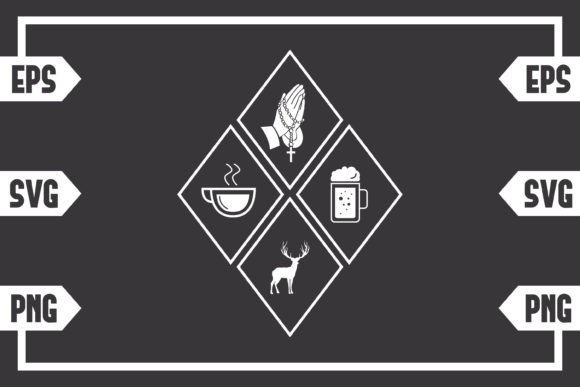
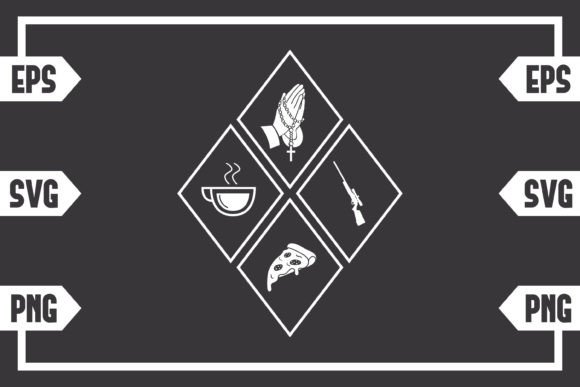
The overall mood of Coffee Jesus Pizza and Hunting Deer is playful, irreverent, and surprisingly cohesive for a design that combines so many distinct themes. The layout appears to balance several visual elements without letting any single motif dominate too aggressively. That is a hard trick to pull off in embroidery, where crowded details can quickly turn into a tangled mess of thread. From the preview, the composition feels intentional. The shapes are distinct enough that each element — the coffee cup, the religious figure, the slice of pizza, and the deer — holds its own visual weight. The stitch types appear to mix satin stitch accents with fill stitch areas, which gives the design texture without making it feel flat or overly dense.
This design naturally belongs on products that invite conversation. I would not put it on a formal gift or a conservative corporate order. But for a handmade product aimed at someone with a sense of humor, it is gold. Think custom apparel for a hunting lodge that also serves espresso, or a gift for a friend who loves late-night pizza debates and early morning deer stands. It has that specific niche appeal that small shop owners and Etsy sellers thrive on.
Real-World Performance Across Product Types
I tested Coffee Jesus Pizza and Hunting Deer on a few different blanks to see how it behaves outside the digital preview. First, I stitched it onto a medium-weight sweatshirt embroidery project using a cotton-poly blend. The design handled the stable fabric well. The stitch paths were clean, and I did not notice any shifting or pull compensation issues. On a tote bag design made from heavy canvas, the same file performed admirably. The density held up, and the details remained readable even after I loaded the tote with a full grocery load.
I also tried it on a baby embroidery project — a small bib — and here I had to be more careful. The design is not overly large, but the combination of motifs means there are several small corners and tight curves. On a tiny hoop, those details can crowd together. If you are making a personalized gift for a baby, I would recommend scaling the design up slightly if the garment allows it, or choosing a simpler version if available. Otherwise, the detail loss may disappoint a customer who expects every element to be crisp.
For embroidered patch production, this design is a solid candidate. The motifs are distinct enough that they can stand alone on a patch backing, and the thread color transitions are logical. I could see a small shop producing a run of these patches for a holiday market or a themed craft fair product. The design also works well on apron fronts and pillow cover projects where the fabric is stable and the stitching can shine without distortion.
Where This Design Demands Extra Attention
Not every surface is friendly to Coffee Jesus Pizza and Hunting Deer. Here is where I advise caution based on my own test stitches. Small hoop sizes under 4x4 inches can make the tighter areas — especially around the pizza slice and the deer antlers — feel cramped. If you are working with a cap or a curved surface, be prepared to use a firm stabilizer and check the registration twice. The design has enough going on that a misalignment on a curved seam will be immediately noticeable.
Stretchy fabric like lightweight jersey or ribbed knit can also cause trouble. The stitch density in the filled areas may pull the fabric inward, creating a puckered look that cheapens the final handmade presentation. For custom apparel on t-shirts, I recommend a cut-away stabilizer and a medium-weight fabric. Avoid using this design on thin, drapey material unless you are prepared to test and adjust the tension.
Dark fabric is another consideration. The design uses a range of thread colors, and some of the lighter satin details may not pop as well on a black or navy background. If you are producing a commercial embroidery run on dark goods, consider swapping a few thread colors to increase contrast. A quick black and white mockup before stitching will save you from a batch of low-visibility finished products.
How It Reads on the Shelf and in the Hand
When I step back and look at the finished embroidery project, the design has a clear impact on product value. It feels intentional. It does not look like a random collection of clip art stitched together. There is a narrative quality to it — a story that the buyer can connect with. That narrative builds customer trust and makes the product more memorable. For an Etsy listing or a craft business display, that kind of recognition is hard to manufacture. This design delivers it naturally.
The giftability of this design is high for the right audience. I could see it on a holiday embroidery item for a friend who loves morning coffee, evening hunting, and weekend pizza. It feels personal without being niche to the point of exclusion. The design also works well in digital product previews and printable mockup shots because the motifs are visually distinct even at small display sizes. That helps digital product sellers showcase the file effectively in a crowded marketplace.
From a brand consistency standpoint, this design fits a shop that sells humorous, lifestyle-oriented design assets. If your small shop product lineup already includes novelty sayings or themed collections, adding this file will feel like a natural extension of your catalog.
Designer Notes Before You Hit Stitch
Before you use Coffee Jesus Pizza and Hunting Deer in a real project, here are the practical steps I take with every new file. First, test the design on scrap fabric that matches your final garment weight. Do not skip this step, even if you are experienced. The interaction between thread colors and fabric texture is impossible to predict from a screen preview alone.
Check the stitch density on the filled areas. If the design came with a recommended hoop size, verify it before loading the file. If no hoop size is listed, start with a larger hoop and work your way down. I also recommend running a black and white mockup to see how the design reads without color cues. This will reveal any muddy areas where motifs blend together.
Compare how the design looks on light and dark fabric backgrounds. You may need to adjust the thread palette to maintain clarity. Use a proper stabilizer — cut-away for most garments, tear-away for stable fabrics like canvas or denim. If you are producing commercial embroidery items for sale, confirm the licensing terms before stitching. Some digital embroidery file sellers restrict use on finished products or digital resale. When in doubt, contact the designer directly.
For Etsy sellers and creative entrepreneurs, this design has strong potential as a standalone product or as part of a themed collection. It works as a finished product on apparel, bags, and home goods. It also works as a design asset in your digital catalog if licensing allows. The key is treating the design with the same care you would give any multi-element file. Test it, tweak it if needed, and then let it speak for itself.
Coffee Jesus Pizza and Hunting Deer is not a design for every order. But for the right project, the right customer, and the right moment, it delivers exactly what a good embroidery design should: character, clarity, and a reason to smile.