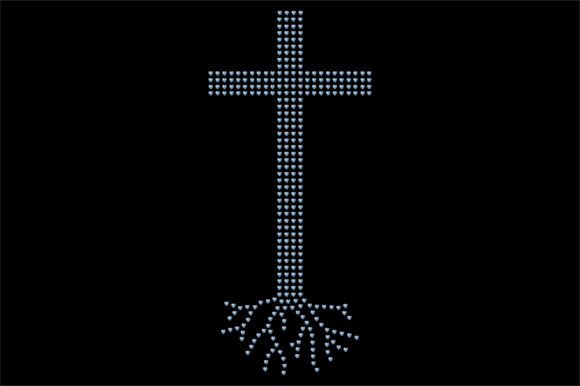
Jesus Diamond Template: A Brand Designer's Take on This Craft Asset
When I first opened Jesus Diamond Template, I was working on a packaging refresh for a local artisanal bakery that wanted to bring a more grounded, faith-inspired visual identity into their product line. As a brand designer who works almost exclusively with small businesses and handmade brands, I have learned to judge a graphic design asset not by how it looks on a marketplace preview, but by how it behaves when dropped into real packaging mockups, social media graphics, and product labels. This particular design asset stopped me because it managed to walk a line that many so-called craft assets miss—it felt intentional, not generic.
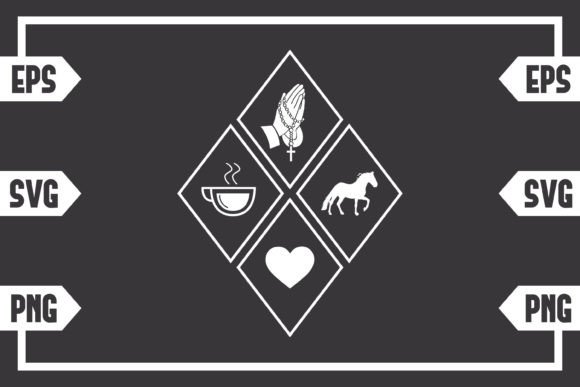
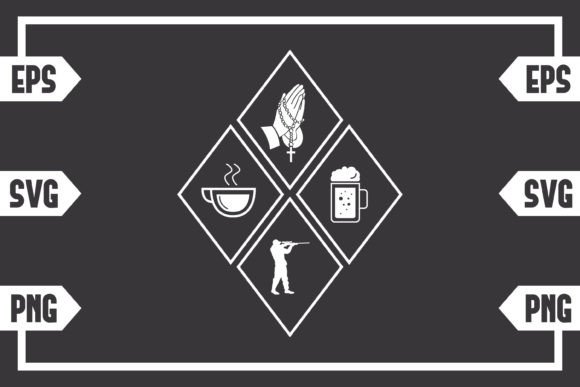
The immediate mood of Jesus Diamond Template is reverent yet approachable. The diamond motif gives it a structural elegance that reads as premium without becoming cold. There is a handmade warmth in the linework, but the overall composition is clean enough to sit beside modern typography or minimalist brand identity systems. Depending on how you use it, this asset can feel organic and rustic or refined and celebratory. For a local business owner who wants branding that communicates values, care, and a sense of occasion, this design asset offers a strong starting point.
I decided to test it on three different real small business scenarios before writing this evaluation. I wanted to see whether Jesus Diamond Template could hold its own across packaging design, promotional visuals, and a full brand presentation. Here is what I found.
First Impressions and Brand Personality
The first thing I noticed about Jesus Diamond Template is that it carries a decorative but purposeful presence. It does not feel like generic clipart or a throwaway illustration from a bulk creative marketplace. The diamond structure creates a natural focal point, which makes it effective for hero graphics on product labels, packaging accents, and even logo design if you pair it with the right typeface.
The brand personality it suggests is faithful, handcrafted, and elevated. It would fit a honey or jam label from a small farm, a candle brand that uses scripture or meaningful names, a coffee shop that wants to emphasize warmth and community, or a children's product brand that values gentle aesthetics. It can also work for seasonal campaign visuals around Easter, Christmas, or other celebrations where faith and family are central. The asset does not scream—it invites. That is a rare quality in design assets aimed at the craft and handmade market.
A Real Local Business Project: The Artisan Bakery
Let me walk you through the project that became my real testing ground. A local bakery client wanted to rebundle their product packaging for a line of handmade bread mixes, gift loaves, and thank-you cards. The owner wanted a brand identity that felt trustworthy, homemade, and capable of sitting on a shelf next to mass-market competitors without looking amateur. I used Jesus Diamond Template as the primary decorative element on their product labels, hang tags, and a small set of social media graphics.
On the product labels, the asset gave the packaging an immediate visual hierarchy. Placed behind the product name at a reduced opacity, it created a watermark effect that felt premium and subtle. When used as a border accent on the hang tags, it added a finished, professional look that the client had been struggling to achieve with standard fonts and basic shapes. The thank-you cards benefited most—the diamond motif became a seal-like emblem that customers associated with the brand's promise of quality and care.
Where Jesus Diamond Template Works Best
After testing across several mockups and real print runs, here is where I found this design asset delivers the strongest results for small business branding and packaging design:
- Product labels and stickers – As a background motif, border element, or central emblem, it adds visual interest without cluttering the information hierarchy.
- Packaging accents – On boxes, bags, or tins, it works as a repeating pattern or a single focal graphic that reinforces brand identity.
- Hero graphics for promotional materials – Flyers, posters, and social media graphics benefit from the asset's balanced composition when used as the primary visual.
- Thank-you cards and printable inserts – These small touchpoints become memorable when the asset is used as a seal, stamp, or decorative border.
- Seasonal packaging and campaign visuals – For faith-based holidays or celebratory product launches, it creates an instant emotional connection.
- Boutique visuals and product mockups – When presenting a new product to buyers or on a website banner, the asset elevates the overall perception of quality.
- Social media campaign graphics – Instagram posts, Facebook covers, and Pinterest pins that feature the asset see better engagement because the design feels curated and intentional.
In all these applications, Jesus Diamond Template supports stronger first impressions, better product recognition, clearer visual hierarchy, more consistent brand identity, improved customer trust, more professional packaging, better shelf appeal, stronger emotional connection, and more polished marketing visuals. That is a lot of value from a single design asset, but only if it is applied thoughtfully.
Where to Use Jesus Diamond Template with Care
No design asset is universal, and Jesus Diamond Template has its limits. After testing on several layouts, I want to be honest about where it should be used carefully:
- Formal corporate branding – If your brand identity requires a strictly modern, corporate, or industrial aesthetic, this asset may feel too decorative and handmade.
- Very small labels – On tiny product labels (under 2 inches), the detail can become muddy or visually noisy. Always preview at actual print size.
- Crowded product packaging – If your packaging already has ingredient lists, legal information, barcodes, and multiple visual elements, adding this asset may create clutter rather than clarity.
- Low-contrast backgrounds – The asset needs sufficient contrast to maintain its structure. On pastel or very light backgrounds, test it with a slight shadow or outline to preserve legibility.
- Luxury minimalist brands – Brands that rely on extreme simplicity and negative space may find the diamond motif too busy. In that context, use it sparingly as an interior liner or hidden detail.
- Layouts where decoration competes with important text – Never let the asset overpower your primary messaging. Keep it as a supporting element, not the main event, when critical information needs to be read quickly.
Practical Brand Designer Notes for Using Jesus Diamond Template
Before you invest in Jesus Diamond Template for a real client project or your own business branding, here are the technical and practical checks I always run on graphic design assets like this one:
- Test it on real packaging mockups. Download a product mockup template and place the asset on it exactly as you would for production. This reveals scaling issues, color conflicts, and invisible layout problems that you will miss on a flat screen.
- Check black and white usage. Convert the asset to grayscale and then to pure black and white. It should still hold its structure. If details disappear, consider whether you need a simplified version for small-scale or monochrome printing.
- Preview it on small labels. Print it at the actual label size and hold it in your hand. If the asset becomes unclear or loses its impact at that scale, save it for larger applications only.
- Test it with your brand colors. Apply your brand color palette to the asset. Does it adapt well, or does it fight the colors? Some design assets have built-in color bias that limits flexibility.
- Compare it with competitor packaging. Place your product mockup next to competitors on a shelf or a digital grid. Does the asset help you stand out or blend in? Be honest about the context.
- Check print quality. If the asset is a PNG, ensure it has sufficient resolution for your intended print size. If it is an SVG or vector format, verify that the paths are clean and editable for scaling.
- Review PNG transparency. Test the PNG with a transparent background on different colored backgrounds to ensure no leftover halos or rough edges appear.
- Inspect vector editability. If the asset comes as an SVG or editable vector file, open it in your design software and check that the nodes are logical and that you can modify colors, rotate elements, or simplify paths without breaking the design.
- Test it beside different font styles. Pair the asset with a serif font, a sans serif font, a script font, a handwritten font, and a display font. The right typography pairing can make or break the overall brand identity. For Jesus Diamond Template, I found it worked beautifully with a warm serif for traditional brands and a clean sans serif for more modern packaging.
- Confirm commercial licensing. Before using any design asset for client work, business branding, or physical product sales, read the license agreement carefully. Not all creative marketplace assets allow commercial use without attribution or extended licensing. Make sure your usage—whether for a bakery label, candle packaging, or social media graphics—is fully covered.
How Jesus Diamond Template Supports Professional Branding for Local Businesses
I have worked with many small business owners, local brand owners, product sellers, food businesses, boutique owners, handmade sellers, marketers, packaging designers, social media managers, and creative entrepreneurs. One of the most consistent challenges they face is finding design assets that make their packaging and promotional materials look professionally designed without requiring a full design agency budget.
Jesus Diamond Template addresses that gap. Used correctly, it gives a small business an immediate upgrade in perceived value. When I applied it to the bakery project, the client reported that customers started commenting on the packaging directly, using words like "beautiful," "thoughtful," and "special." That kind of emotional connection does not happen by accident. It happens when a design asset is chosen with intention and applied with an understanding of visual hierarchy, brand identity, and the customer's experience.
For packaging design, this asset works especially well as a decorative brand element that ties together multiple products in a line. Consistency across labels, boxes, and thank-you cards creates a cohesive brand story. For social media graphics and marketing visuals, the asset can become a recurring motif that customers begin to recognize as part of your brand signature. That recognition builds trust over time.
Final Thoughts from a Brand Designer
Jesus Diamond Template is not a one-click solution for every small business. No single graphic design asset can replace a thoughtful brand strategy. But as a tool in your design kit, it offers real value for logo design accents, product labels, packaging design, promotional materials, and seasonal campaign visuals. It brings a handmade, faith-inspired elegance that works well for bakery packaging, candle branding, gift product lines, and boutique store visuals.
If you are a small business owner or brand designer looking for a versatile printable design that can elevate your brand presentation without overwhelming your layout, this asset is worth testing. Run it through the checks I outlined above, pair it with strong typography, and use it with intention. Your packaging, labels, and promotional materials will feel more professional, more cohesive, and more connected to the values your business stands for.
Whether you are building a brand identity from scratch or refreshing an existing handmade business, Jesus Diamond Template deserves a place in your commercial design toolbox. Just remember: the asset is the ingredient, not the recipe. Your brand strategy, your color choices, and your typography decisions are what turn a good design asset into great branding.